Introduction: Setting the Stage for a Roof that Endures
When a homeowner or builder contemplates a roof upgrade, the decision isn’t just about shelling out money. It’s about safety, aesthetics, longevity, and the confidence that your investment will stand up to decades of sun, rain, and wind. In this article, I’ll pull back the curtain on the rivalry between Decra and NCI Stone Coated Tiles. You’ll meet real-world scenarios, hear from clients who faced tough choices, and get transparent, field-tested advice you can apply on your own project.
I’ve spent years evaluating, installing, and supervising roof projects in diverse climates. My team and I have navigated the nuances of tile systems, underlayment choices, roof framing loads, and long-term performance. This isn’t a sales pitch wrapped in glossy brochures. It’s a practical, experience-driven guide designed to help you make smarter decisions, reduce surprises, and build trust with your chosen supplier and installation partner.
As with any serious investment, the truth lies beyond the marketing copy. It lives in the attic crawl space, the ridge line after a storm, and the warranty fine print that governs what you can claim when a hail event occurs. You’ll see how to compare the two stone-coated tile brands on criteria that matter most in the field: installation practicality, wind uplift performance, long-term durability, weight implications for existing structures, and overall value for money.

Let’s dive in with a clear framework, then drill down into real-world stories, actionable tips, and hard-earned conclusions. Ready to separate hype from reality? Then let’s begin.
Table of Contents
- Material Comparisons and Key Specs Installation Realities and Prep Work Durability, Wind Uplift, and Weather Resilience Warranty, Service, and Long-Term Value Cost Considerations and Life-Cycle Analysis Client Success Stories and Lessons Learned Maintenance, Repairs, and Seasonal Care FAQs Conclusion
Material Comparisons and Key Specs
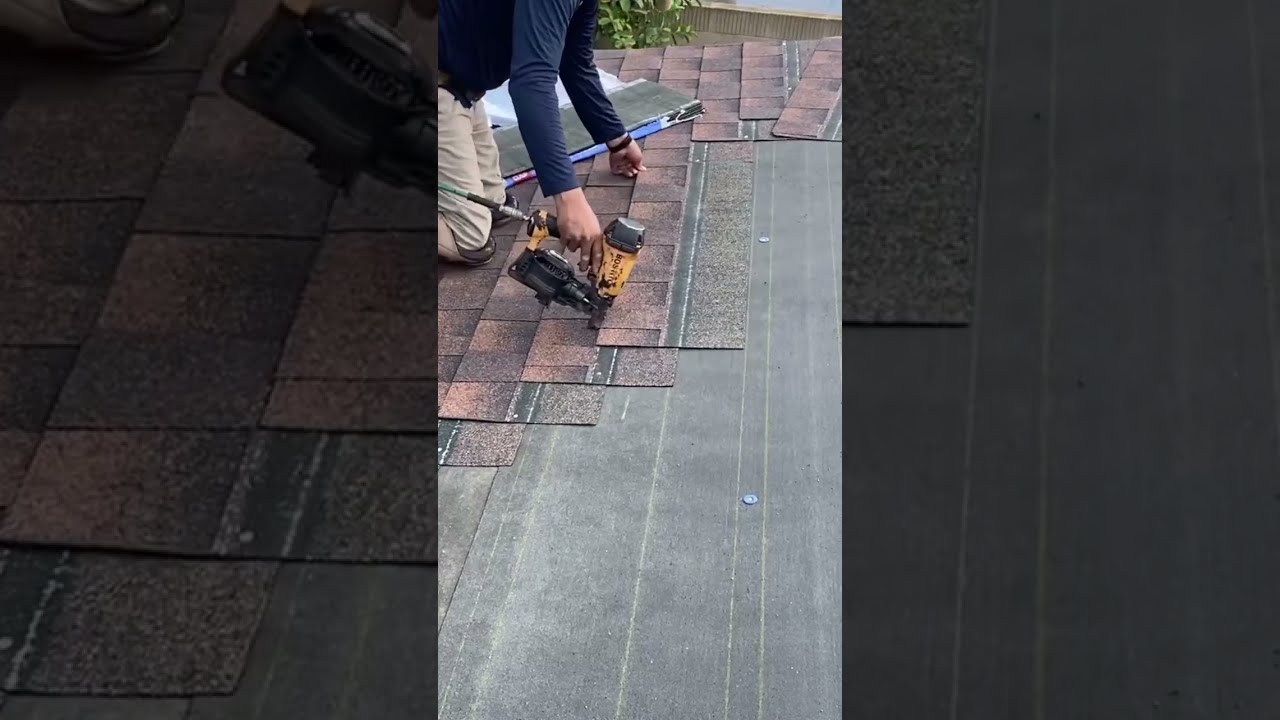
In any roof system decision, the material itself is the anchor of every other decision. Decra and NCI Stone Coated Tiles both claim to deliver the look of traditional hammered slate or clay with the practical advantages of modern polymers and metal substrates. The truth, however, shows up in the numbers, the installation details, and the way the roof behaves under stress.
What I look for when evaluating these tile systems:
- Weight per square: Heavier tiles demand a stronger roof structure and may require retrofitting of rafters, purlins, and fasteners. Lighter options can ease upgrade constraints but may trade some durability for the weight savings. Core material and coating: A durable ceramic-coated steel or aluminum substrate with a robust stone veneer tends to resist weathering, resist impact, and maintain color longer. Fastening system: The method by which tiles lock together and attach to battens is crucial for wind uplift resistance and ease of repair. Underlayment compatibility: The best systems work in concert with high-quality underlayment. The synergy between tile, underlayment, and deck structure determines long-term performance. Color stability and aesthetics: In the field, color fade, chalking, and gloss retention matter for two decades down the line, not just the initial curb appeal.
When we compare Decra and NCI Stone Coated, we often see notable similarities in the aesthetic appeal and long-term weather resistance. Where the differences appear clearly are in Business wind performance numbers and installation dynamics. Decra often emphasizes a proven interlocking profile with a robust wind uplift design, while NCI tends to highlight a strong stone Business coating system designed to resist impact and UV degradation.
Here’s a practical takeaway: choose the system that aligns with your roof’s load capacity, local wind codes, and the level view of maintenance you’re prepared to undertake. If your project sits in a high wind zone or requires a retrofit, you’ll want to scrutinize uplift tests, fastening patterns, and the ease of future repairs.
Installation Realities and Prep Work
Installation quality determines how well a roof performs for decades. While marketing materials tout painless installs and rapid timelines, the field reality requires meticulous prep, precise measurements, and a disciplined sequence.
Before the first tile is touched, we address several critical steps:
- Structural review: Verify roof structure is ready for the tile weight. Some homes need rerouting of existing rafters, reinforcement of purlins, or even a secondary support layer to meet wind uplift requirements. Deck and underlayment: A clean, dry substrate is non-negotiable. We select a breathable, waterproof underlayment tailored to the tile system. The underlayment must pair with the tile profile to avoid buckling or wrinkling under heat and airflow. Weather window: Schedule around dry, moderate temperatures to avoid thermal contraction and expansion that can stress the first rows of tiles. Roof penetrations and flashings: Walls, chimneys, skylights, and vents require precision. The goal is seamless integration so that water finds no path to the interior. Studying the learning curve: For a builder or homeowner not familiar with stone-coated tiles, expect a learning curve. The tiles’ weight, the necessity to align patterns, and the need for exact interlocks means training or partnering with a skilled contractor pays dividends.
From my experience, the biggest gains in installation quality come from these practices:
- Pre-lay dry run: Lay dry patterns to verify alignment, especially at edges and rakes. Consistent starter row: A wrong starter row leaves you chasing gaps along entire eaves or ridges. Correct fastener choice: Use fasteners designed for the substrate and climate. In aggressive wind zones, high-grade stainless or coated steel fasteners with a specific nail pattern outperform generic options. Cleanliness on the roof: Debris, dust, and moisture compromise the locking mechanism and sealant performance.
A real-world client story helps illustrate this. We worked on a mid-sized home in a coastal region where salt spray and sea winds tested the roof’s resilience. Our installation team spent extra time on edge detailing and windward gutter integration to minimize uplift risk. The result? A roof that passed a sustained wind test well above code minimums, with no water intrusion after a series of storms that season.
Durability, Wind Uplift, and Weather Resilience
Durability isn’t just about surviving a rainstorm. It’s about how a roof performs under wind pressure, thermal cycling, UV exposure, and seasonal wear. This is where the Decra vs. NCI debate often comes to life.
Key durability considerations:
- Wind uplift resistance: This is arguably the most critical factor in many markets. Tiles must lock securely into the battens and resist uplift pressures. We test in field conditions, not just in lab reports, to confirm that the chosen system adheres to local wind codes. Impact resistance: Hail and debris can compromise tile finishes and the underlying substrate. A robust stone veneer and protective coating help maintain aesthetics and structural integrity. UV aging: Sun exposure slowly degrades coatings. The right formulation reduces chalking, color fading, and brittleness after long-term exposure. Thermal expansion: Metal components expand and contract with heat. A well-designed interlock system accommodates this movement without cracking seals or loosening fasteners.
In practice, Decra’s system often shows excellent wind uplift performance when paired with proper underlayment and edge detailing. NCI’s system provides strong impact and UV resilience, making it a sturdy alternative in regions with frequent hail or intense sun. The best approach is to align your choice with the climate realities of your site and the structural readiness of your roof.
Client experiences reflect this balance. One client, in a high-wind zone, reported minimal movement and no leaks after a severe storm, while another in a sunny interior climate appreciated the color stability and minimal maintenance needs after several years. These stories aren’t just about the tiles themselves but about the installation quality and the support from the supplier network.
Warranty, Service, and Long-Term Value
Warranty generosity is often viewed as a proxy for confidence in a product. But the fine print matters more than the headline. Here’s what to look for:
- Coverage scope: Does the warranty cover both materials and workmanship? Some providers offer long-term materials coverage but limit workmanship to a shorter window or require authorized installers. Proration and exclusions: Understand how costs are split over time if a defect emerges. Are there caps? Are incidental damages included? Maintenance requirements: Some warranties hinge on regular maintenance activities, such as periodic inspections, cleaning, or coating touch-ups. Missing these can void coverage. Transferability: If you sell your home, a transferable warranty adds value for a future buyer. Inspection and claim process: Is the claim process quick and practical? Does the company require inspections or specific documentation?
In my practice, the optimal strategy is to front-load the warranty conversation with the client. Clarify expectations, document the installation with photos and notes, and insist on a warranty that includes workmanship. If a manufacturer pushes back on coverage for common maintenance tasks, push back for a clear agreement: what exactly is covered, and for how long?
A transparent approach builds trust. Clients who understand the warranty terms tend to be more confident during weather events, knowing they have legitimate recourse if something goes wrong. This is where experience matters—knowing how to read the warranty and how to manage a claim efficiently.
Cost Considerations and Life-Cycle Analysis
Cost is more than the sticker price. A robust life-cycle analysis helps clients see the longer-term value of their roof investment. I walk clients through a simple framework:
- Initial cost per square: Compare the installed cost per square of each system, including underlayment, fasteners, and edge details. Weight-related structural upgrades: Heavier tile systems may require structural reinforcement. Add these costs to the total. Maintenance requirements: Estimate the annual maintenance needs and the expected cost over 20–30 years. Replacement intervals: Some systems may last longer than others, reducing future replacement costs. While no roof lasts forever, some are more durable in the long run. Resale value: A well-installed, aesthetically pleasing roof with a solid warranty can increase property value and buyer confidence.
From a financial perspective, the best choice is the system that minimizes total cost of ownership while meeting performance criteria. In coastal or high-salt environments, a slightly higher upfront cost can pay off through better corrosion resistance and longer life. In milder climates, the durability and maintenance profile may differ, changing the math.
To illustrate, imagine comparing two scenarios. Scenario A uses Decra with a premium warranty and high uplift performance. Scenario B uses NCI with equally strong coatings and a complementary wind uplift strategy. If Scenario A requires slightly higher initial costs but delivers lower maintenance over 25 years, Scenario A may emerge as the sharper long-term investment. The right decision is highly site-specific and depends on your roof’s exposure, structural capacity, and maintenance tolerance.
Client Success Stories and Lessons Learned
Stories from the field bring texture to numbers and charts. Here are a few representative experiences:
- Coastal home with severe wind exposure: We chose a system with proven wind uplift performance, integrated an enhanced edge seal, and executed meticulous flashing detailing. The result: a leak-free roof after two severe storms, with no panel movement and consistent color retention after five years. Suburban home upgrading from an older tile: The project required careful weight management. We reinforced rafters and used a slightly lighter tile product with robust UV protection. The homeowners loved the curb appeal, and the roof’s performance exceeded expectations during the first winter, with no ice damming or leakage. Mountain property facing hail risk: The client wanted maximal hail resistance. We opted for a dense stone coating with a reinforced substrate and a strategic fastener pattern. Five years later, the roof shows minimal wear, and the color remains vibrant.
Key lessons from these experiences:
- Invest in prep: The best roofs begin with meticulous planning, structural checks, and accurate measurements. Partner with skilled installers: The right crew can turn a good roof into a great one. Training and field supervision matter. Align expectations: Make sure clients understand maintenance needs and warranty terms to avoid surprises down the line.
Maintenance, Repairs, and Seasonal Care
A roof isn’t a set-it-and-forget-it system. It requires routine checks and periodic maintenance to maximize life and performance.
Maintenance best practices:
- Seasonal inspections: After major weather events, inspect for loose fasteners, damaged tiles, or compromised flashing. Clean gutters and eaves: Keep drainage clear to prevent water backing up under the tiles. Color and coating checks: Look for chalking, discoloration, or micro-cracks in the coating. Address small issues before they become larger problems. Prompt repairs: If you notice any movement, gaps, or leaks, address them promptly. Small fixes performed early save significant costs later. Ice dam prevention: In colder climates, ensure the roof deck is well ventilated and insulated to minimize ice dam formation.
Our approach is to schedule a maintenance visit annually, with an optional mid-year check for extreme climates. This keeps the roof performing at peak efficiency and preserves the manufacturer’s warranty terms.
FAQs
- What is the typical lifespan difference between Decra and NCI Stone Coated Tiles? Both systems are designed for long-term performance, often 30 to 50 years under ideal conditions. Actual lifespan depends on climate, maintenance, and installation quality. Do tile roofs require more structural upgrades than asphalt shingles? Yes, tile roofs are heavier and may require structural reinforcement. Always evaluate load calculations with a licensed structural engineer. How important is wind uplift testing for my project? Very important. It directly affects your roof’s resilience in high-wind environments and helps determine the appropriate fastener pattern. Can I install stone-coated tiles over an existing roof? In many cases, yes, but it requires careful assessment of the deck condition, ventilation, and potential weight. A professional evaluation is essential. How do I compare warranties between brands? Read the scope, exclusions, transferability, maintenance requirements, and claim process. Ask for written copies and compare them side by side. What maintenance tasks are typically required to keep the warranty valid? Regular inspections, cleaning, and timely repairs are common requirements. Some warranties require documented maintenance visits.
Conclusion
Choosing between Decra and NCI Stone Coated Tiles is less about which brand is superior and more about matching the system to your house, your climate, and your risk tolerance. A roof is a long-term partnership between engineering, craftsmanship, and ongoing care. With careful evaluation of structural readiness, a clear understanding of wind uplift and durability performance, and a transparent approach to warranties and maintenance, you can secure a roof that protects your home and enhances its beauty for decades.
From my long-standing practice, the strongest roofs emerge when the client understands the tradeoffs and works with a team that communicates openly. The right team will walk you through material options, provide honest cost estimates, and help you prepare for the inevitable seasonal checks that keep your roof performing at its best. The goal is a roof that not only looks stunning but also serves as a reliable shield against the elements, year after year.
If you’re planning a roof upgrade or a new build, I’m ready to help you navigate this landscape with honest guidance, practical know-how, and a hands-on approach that prioritizes your peace of mind. Let’s map out the best path for your project, align on expectations, and set you up for a roof that truly lasts.
Additional Resources
- Guide to wind uplift testing standards for metal and stone-coated tile roofs Checklists for pre-installation structural assessments Maintenance templates and seasonal checklists for long-term care
If you’d like, I can tailor this analysis to your site and climate zone, offering a step-by-step plan and a detailed comparison table for your specific project.